Weightlifting places specific demands on footwear. During squats, cleans and snatches, the feet need a firm base, a secure fit and enough support to maintain a consistent position under load. Ordinary gym trainers can be suitable for general exercise, but their cushioning and flexible soles may not provide the same feel as dedicated lifting footwear. The right pair depends on the movements you practise, your lifting experience, your foot shape and your personal preferences. Understanding these features makes it easier to compare weight lifting shoes and choose a design that fits your training routine.
Why Do Weight Lifting Shoes Have a Different Design?
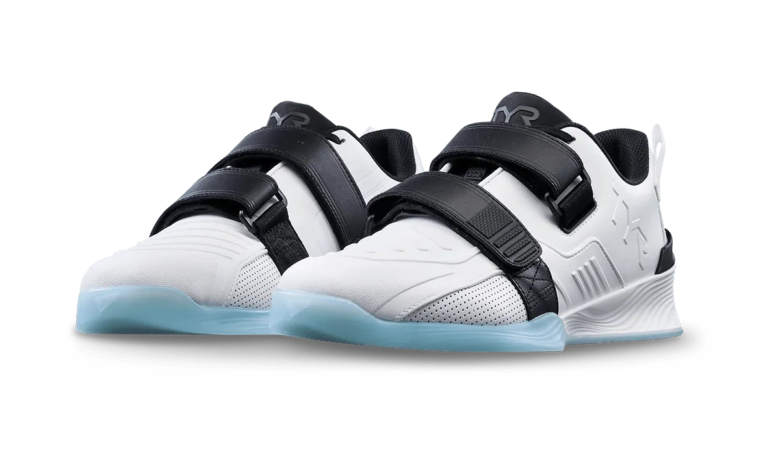
Weightlifting shoes are built to provide a stable platform during strength exercises. Their soles are generally firmer than those of running shoes, helping limit compression when the athlete places weight through the feet. Many designs also feature an elevated heel, which changes the ankle position and can make it easier for some lifters to reach a comfortable squat depth. Straps or structured fastening systems help hold the foot in place during demanding movements. These features serve a different purpose from the cushioning and flexibility prioritised in everyday athletic footwear.
Dedicated lifting footwear is particularly relevant to exercises that involve substantial loads and controlled foot placement. Olympic lifts, including cleans and snatches, require the athlete to move from one position to another while maintaining balance and control. Squats also place considerable demands on foot stability, especially when the barbell load increases. However, specialist shoes are not essential for every gym session, and their suitability depends on the exercises being performed. Before choosing a pair, consider how much of your training involves heavy lifting compared with running, jumping or general conditioning.


Explore the weight lifting shoes available from TYR to compare lifting footwear designed around different training requirements.
1. Heel Height and Its Role in Lifting
Heel height is one of the main differences between weightlifting footwear and flatter training shoes. Many dedicated lifting models have a raised heel that places the foot at an angle, allowing the ankle to move into a different position during a squat. This may help certain lifters maintain a more upright torso or achieve greater squat depth, depending on their mobility, proportions and technique. A raised heel does not automatically improve every lift, so the correct height should reflect the athlete’s movement patterns and training goals. It is worth testing the design during familiar movements before committing to a particular model.
The amount of elevation varies between shoe designs, and manufacturers may describe it as heel height or heel-to-toe drop. These terms are related but should not be assumed to mean exactly the same thing, as product specifications can use different measurements. Check the manufacturer’s stated measurements rather than judging the heel by appearance alone. A more elevated design may suit some squat and Olympic lifting techniques, while other athletes may prefer a lower profile. Comfort, balance and consistent positioning matter more than choosing the highest heel available.
2. Sole Stability and Grip
A stable sole provides a firm contact point between the foot and the gym floor. Soft running shoes are designed to cushion repetitive impact, but their midsoles may compress under heavy loads. This can create a less predictable feeling during exercises that require precise balance and foot placement. Weightlifting shoes typically use a firmer construction to help the athlete maintain a steady base. The aim is not to make every movement easier, but to provide footwear suited to the demands of loaded strength exercises.
Grip also deserves attention, as the outsole needs to maintain contact with the training surface. A tread pattern and rubber compound designed for gym floors can help reduce unwanted slipping when the surface is clean and suitable for lifting. However, grip depends on the condition of both the shoe and the floor, so footwear should never be treated as a substitute for sensible training practices. Inspect the outsole for wear and check that the shoe feels secure during controlled warm-up sets. A broad, stable base can also be useful when the feet need to remain planted throughout a lift.
When comparing stable gym shoes, consider these features:
- Firm midsole: Limits excessive compression under load.
- Secure outsole: Provides dependable contact with the floor.
- Broad base: Offers a consistent platform for foot placement.
- Structured heel: Helps maintain a stable position during lifting movements.
- Durable construction: Supports regular use when the shoes are maintained properly.
3. Foot Lockdown, Straps and Fastening
Foot lockdown refers to how securely the shoe holds the foot during movement. A well-fitting pair should keep the heel and midfoot secure without squeezing the toes or creating uncomfortable pressure. Some weightlifting shoes use laces alongside one or two straps across the midfoot. The laces allow adjustment across the foot, while straps can provide an additional level of support. The best fastening arrangement is the one that keeps the shoe secure without restricting comfortable movement.
Straps can be particularly useful when an athlete wants to make small adjustments to the fit before a working set. However, a strap cannot compensate for a shoe that is too large, too narrow or poorly shaped for the foot. The heel should not lift excessively inside the shoe, and the foot should not slide forward when pressure is applied. Check the fit while standing and during controlled squats, rather than relying on how the shoes feel while seated. A secure fit should remain comfortable throughout the session, including between sets.
4. Toe Box Shape and Overall Fit
The toe box is the area at the front of the shoe that surrounds the toes. Its shape affects how much room the toes have to spread and how naturally the forefoot sits inside the footwear. A narrow toe box may feel restrictive for some athletes, while a wider design can offer additional room without sacrificing the security needed through the midfoot. Width is only one part of fit, however, because the length, arch shape and heel construction also influence comfort. Choose a shape that accommodates your foot rather than assuming that one design will suit every lifter.
When trying on weightlifting footwear, check for pressure points around the toes and sides of the forefoot. Your toes should have suitable room, but the shoe should not be so loose that the foot moves around during a lift. Pay attention to the heel as well, since excessive movement can make the shoe feel unstable. Sizing can differ between models, so use the manufacturer’s size guide and review the product’s fit information. If you use orthotics or have specific foot requirements, check compatibility before purchasing.
5. Matching Shoes to Squats, Cleans and Snatches
Different lifting movements place different demands on footwear, even when they are performed in the same training session. Squats involve controlled lowering and rising while the feet remain planted, making heel height and sole firmness relevant considerations. Cleans and snatches include more dynamic transitions, so the shoe also needs a secure fit and reliable grip. An elevated heel may suit the technique of some Olympic weightlifters, but it is not a universal requirement. Technique, mobility and coaching guidance should remain central to choosing equipment.
For a training programme built around several types of strength work, consider the movements you perform most often. A specialist lifting shoe may be appropriate for heavy squats and Olympic lifts, while a flatter training shoe may feel more natural for deadlifts or mixed gym sessions. Exercises involving sprints, longer runs or repeated jumps often require different footwear characteristics. One pair may cover several activities, but it is worth recognising the compromises involved. Choosing shoes according to the demands of the session can help maintain comfort and a consistent training setup.
6. Raised-Heel Lifting Shoes Compared with Flatter Trainers
Raised-heel lifting shoes and flatter trainers serve different purposes. The elevated heel changes the foot and ankle position, which may help some athletes maintain their preferred posture in squats and Olympic lifts. Flatter shoes keep the heel closer to the level of the forefoot and may appeal to lifters who prefer a lower-profile feel. Neither construction is automatically better for every exercise or athlete. The decision should reflect technique, comfort, mobility and the type of training performed.
Use the following comparison as a starting point when reviewing your options:
- Raised-heel lifting shoes: Often suited to squats and Olympic lifts where the athlete benefits from an elevated heel and a rigid platform.
- Flatter trainers: May suit exercises where a low heel-to-toe profile is preferred, depending on the movement and individual technique.
- Running shoes: Generally designed for cushioning and repetitive impact rather than providing a firm platform for heavy barbell lifts.
- Cross-training shoes: Can offer a middle ground for gym sessions that combine strength exercises with conditioning movements.
The category name alone does not determine suitability. Check the sole construction, heel measurement, grip, fastening and intended use before choosing a pair. For athletes who split their time between lifting and conditioning, separate footwear may be more practical than expecting one shoe to handle every activity equally well.
7. Considering Your Wider Training Setup
Footwear is one part of a strength training setup, alongside clothing, accessories and equipment suited to the session. A practical gym bag can help keep these items organised, particularly when shoes are carried separately from clean clothing or other training essentials. Look for storage that fits your routine, including enough space for the equipment you regularly take to the gym. Browse the TYR backpack collection if you need a way to carry your training essentials.
Your wider exercise routine may also include mobility work, swimming or recovery sessions. Equipment used for these activities serves a different purpose from lifting footwear and should be chosen according to the demands of each discipline. If swimming is part of your training schedule, explore swim training equipment to review accessories intended for pool-based practice. Keeping each item matched to its intended use helps make equipment choices more straightforward. It also avoids expecting one product category to meet requirements that belong to another.
8. A Practical Checklist Before Buying
Before purchasing weightlifting footwear, review the specifications and assess how the shoes fit your programme. Product descriptions can help you compare construction, but they should be considered alongside a proper fit check. Think about the movements you perform, the type of floor you train on and whether you prefer a raised heel or a flatter design. Set a budget that reflects how frequently you lift and which features matter most. A more expensive model is not automatically the right choice if its shape or heel height does not suit you.
Use this checklist when comparing options:
- Confirm the heel height and heel-to-toe measurement.
- Check whether the sole is firm and stable under load.
- Assess outsole grip and overall construction.
- Look for a secure heel and adjustable midfoot fastening.
- Make sure the toe box provides appropriate space.
- Review the manufacturer’s sizing guidance and return policy.
- Consider whether the shoes suit your main lifts or mixed training sessions.
- Inspect the materials and construction for expected regular use.
Conclusion
A good pair of weight lifting shoes should provide a stable sole, suitable heel height, secure foot lockdown and a comfortable fit. Raised-heel models can be useful for certain squats and Olympic lifts, while flatter trainers may suit other strength exercises. Toe box shape, grip and fastening also deserve attention because each affects how the shoe feels during training. Compare these features against your lifting technique and the movements you perform most often instead of choosing footwear based on appearance alone. Explore TYR’s lifting footwear range to compare available designs, and contact TYR if you need further product information.
Frequently Asked Questions
1. What are weight lifting shoes designed for?
Weightlifting shoes are designed to provide a stable platform, secure fit and, in many models, an elevated heel for strength exercises. They are commonly used for squats, cleans and snatches, depending on the athlete’s technique and preferences.
2. Do weightlifting shoes need a raised heel?
No. A raised heel can help some athletes achieve a preferred squat position, but it is not necessary for every lifter or exercise. Consider your mobility, technique and comfort before selecting heel height.
3. Are flat shoes better than raised-heel lifting shoes?
Neither option is universally better. Flatter shoes may suit athletes who prefer a low-profile position, while raised-heel models can be useful for certain squats and Olympic lifts. The best choice depends on the movements performed and individual fit.
4. Should weightlifting shoes fit tightly?
They should hold the heel and midfoot securely without causing pain or squeezing the toes. Excessive movement inside the shoe can feel unstable, while a fit that is too tight can create pressure and discomfort. Check the fit while standing and moving through controlled exercises.
5. Can I wear weightlifting shoes for every gym exercise?
You can use them for exercises that suit their firm construction, but they may not be ideal for running, jumping or every type of conditioning work. Consider the requirements of each activity and use appropriate footwear when your session includes several different movement types.