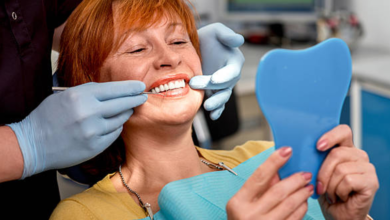
You look in the mirror and notice the small shifts that did not used to be there. Teeth look darker. Edges seem worn. A tooth that was once straight now overlaps a little. Old dental work stands out more than it used to. At Lakewood Ranch Family & Cosmetic Dentistry, it can feel strange because your smile is still yours, but it does not quite match the way you feel inside.
That change is common, and it does not mean you missed your chance to do anything about it. A family and cosmetic dentist helps adults deal with the slow changes that come with time, from discoloration and chips to gum changes, missing teeth, and bite wear. The goal is not to chase perfection. It is to help your smile feel healthy, natural, and comfortable again.
Age changes your smile in ways that are easy to miss at first
Most smile changes happen gradually. Years of coffee, tea, red wine, smoking, and certain medications can darken enamel. Grinding can flatten the biting edges of teeth and create tiny cracks. Gums may recede, which makes teeth look longer and can expose sensitive root surfaces. Older fillings and crowns can also stop matching as your natural teeth change color.

Sometimes the problem is cosmetic on the surface, but the cause is functional. A person may want whitening, only to learn that enamel wear or dry mouth is making the teeth look dull. Another may feel unhappy with crowding that has become more obvious with age, when the real issue is shifting caused by gum disease or tooth loss. That is why a good plan starts with the whole picture, not just the front teeth you see when you smile.
Daily care matters more as you get older because the risks change. The CDC shares practical oral health tips for adults that include brushing with fluoride toothpaste, cleaning between teeth, and keeping up with regular dental visits. The National Institute on Aging also explains how dry mouth, medicines, and health conditions can affect the mouth in its guide to taking care of your teeth and mouth.
Family dentists often combine health care and smile updates in one plan
Many adults assume cosmetic work is separate from routine dental care. In reality, the best results often come when both are handled together. A family dentist can check for decay, gum disease, worn restorations, bite imbalance, and signs of grinding before recommending cosmetic changes. That saves you from spending money on a surface fix that does not last.
If your teeth are healthy but stained, whitening may be enough. If the shape has changed, bonding or veneers may restore balance. If a tooth is missing, replacing it can improve both appearance and chewing. The CDC notes that tooth loss affects more than appearance, including the ability to eat and speak comfortably. That is one reason a family dentist for aging smiles often looks at function first and cosmetics right after.
You might also be carrying old dental work that no longer blends in. Metal fillings can darken the look of a tooth. Older crowns may show a shadow near the gumline. Small updates in those areas can make a smile look fresher without changing your face or making your teeth look artificial.
Professional care gives adults more options than store bought fixes
It is tempting to start with whitening strips, mail order aligners, or online fixes for chips and gaps. Those products can seem easier because they cost less up front. The problem is that age related smile changes are rarely one issue. A stain may be covering wear. A crooked tooth may be tied to gum loss. A quick fix can leave you frustrated when the result looks uneven or does not last.
| Concern | At Home Option | Professional Dental Option | What Adults Should Know |
| Staining | Whitening strips or toothpaste | Custom whitening after an exam | Works better when fillings, crowns, and sensitivity are checked first |
| Small chips or uneven edges | Ignore it or use temporary repair kits | Bonding or reshaping | Minor wear can become bigger cracks if bite pressure is not addressed |
| Crooked or shifting teeth | Mail order aligners | Supervised orthodontic treatment | Gum health and bone support need to be evaluated before movement |
| Missing tooth | Delay treatment | Bridge, denture, or implant referral | Waiting can allow nearby teeth to shift and chewing to change |
This is where cosmetic dental care for older adults stands apart from one size fits all products. It is tailored to the condition of your teeth now, not what they looked like ten or twenty years ago.
Small changes can refresh your smile without making it look overdone
Many adults worry that cosmetic treatment will make them look unlike themselves. That fear makes sense, especially if you have seen smiles that are too white, too square, or too uniform. Good dentistry does the opposite. It respects your face, your age, and the character of your smile.
A careful smile update with a family dentist may involve only one or two changes. Whitening and replacing a mismatched crown can be enough. Smoothing worn edges and protecting teeth from grinding can soften a tired look. Closing a small gap that formed with age can make your smile feel more settled. These are measured decisions, not dramatic ones.
Three steps you can take right away
1. Pay attention to what changed, not just what bothers you. Make a short list before your visit. Note color changes, sensitivity, rough edges, crowding, gum recession, or old dental work that stands out. That helps your dentist see the pattern, not just one complaint.
2. Ask for a health first smile evaluation. If you want cosmetic improvement, ask for a full exam that includes gums, bite, restorations, and signs of grinding or dry mouth. The best cosmetic plan is built on a healthy base.
3. Start with the least invasive option that meets your goal. Many adults do not need major work. Whitening, bonding, contouring, or replacing one old crown can create a noticeable difference with less cost and less treatment time.
Your smile can age well with the right support
A changing smile can affect confidence in quiet ways. You smile less in photos, cover your mouth when you laugh, or put off dental visits because you assume the fix will be too big or too expensive. Often, the path forward is simpler than you think. A family and cosmetic dentist can help you protect what is healthy, repair what has changed, and bring your smile back into balance in a way that still feels like you.
If your smile has changed with age and you are ready to refresh it, schedule a visit with a family and cosmetic dentist and ask about your options for a healthy, natural update.