A handbag can serve many purposes, from carrying everyday essentials to adding a finishing touch to an outfit. Because it is often used regularly, choosing one involves more than considering its appearance. Material, construction, storage and comfort all contribute to the overall experience.
Leather handbags are available in numerous designs, from compact everyday options to larger styles intended for work or travel. Understanding the qualities that matter can help shoppers compare products and make a more confident purchase.
The Importance of Material Selection
Material affects a handbag’s appearance, texture, weight and care requirements. Leather is valued for its distinctive finish and range of textures, but different leather types can behave differently.


Some surfaces are smooth and refined, while others have a more pronounced grain. Certain finishes may be designed to provide a specific appearance or level of protection.
Read the product description carefully to understand the material used. A clear description is more useful than relying on broad terms or photographs alone.
Examining Construction Quality
A handbag experiences regular movement and handling, so its construction deserves close attention.
Inspect the stitching around handles, corners and seams. These areas may experience repeated pressure during everyday use. Check whether the handles are securely attached and whether the bag maintains its shape.
Closures should operate smoothly. Zippers, magnetic fastenings and other hardware should feel appropriately fitted rather than loose or difficult to use.
The interior lining should also be examined. A properly finished interior contributes to a more organised and comfortable user experience.
Choosing a Practical Design
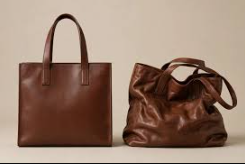
Different handbag shapes suit different needs. A structured design may be appropriate for professional settings, while a softer silhouette can complement casual outfits.
The opening should provide convenient access to belongings. A bag with a narrow opening may make it difficult to retrieve larger items, even if its overall dimensions seem generous.
Think about where and how often the handbag will be used. A design that works for several occasions may provide greater value than one suited to only a single setting.
Size and Storage Capacity
Capacity should be based on the items you normally carry.
A compact handbag may accommodate essential personal belongings, while a larger option may provide room for documents, a diary or additional accessories.
Internal pockets can help organise smaller items. A zipped compartment may be useful for belongings that need extra security, while open pockets can make frequently used items easier to reach.
Check the measurements before purchasing and compare them with a handbag you already own if possible.
Comfort and Carrying Options
A handbag should feel comfortable when carried. Handle length, strap width and overall weight can influence this.
Some designs include detachable or adjustable straps, allowing the bag to be carried in different ways. This can be useful when moving between different activities or settings.
Consider how the bag will feel when filled. Even a lightweight handbag can become uncomfortable if it is regularly packed with heavy belongings.
Choosing a Timeless Style
Trends can influence handbag designs, but a classic shape may remain useful across changing seasons.
Simple silhouettes and versatile colours can coordinate with a wider range of clothing. However, personal preference should remain central to the decision.
Consider whether the design reflects your style and whether you will enjoy carrying it regularly.
Exploring Leather Handbag Collections
Consumers comparing options can explore the leather handbag collection to review different silhouettes and product details.
Compare the material, dimensions, colours, carrying options and internal layout of individual models. Product specifications can help distinguish between designs that may look similar in photographs.
Also review the care instructions, delivery arrangements and return conditions before completing a purchase.
Maintaining a Handbag Over Time
A handbag can retain its appearance more effectively when stored and cleaned appropriately.
Avoid exposing leather to prolonged direct sunlight, excessive heat or moisture. Use a suitable storage space and avoid placing heavy objects on top of the bag.
Follow the manufacturer’s recommendations for cleaning. Different finishes may require different products, so using an unsuitable cleaner can cause damage.
Inspect the stitching, handles and closures occasionally to identify signs of wear.
FAQs
1. What indicates good handbag construction?
Look for even stitching, securely attached handles, properly fitted lining and hardware that operates smoothly. Overall balance and finishing also matter.
2. How do I choose a handbag that suits several occasions?
Consider a practical size, comfortable carrying options and a shape that coordinates with your regular clothing. Neutral colours can offer additional flexibility.
3. Does leather require special maintenance?
Yes. Care requirements depend on the type and finish of the leather. Follow the manufacturer’s instructions and use only suitable cleaning and conditioning products.
Conclusion
A quality handbag combines suitable materials, thoughtful construction and a design that supports everyday use. By comparing dimensions, storage, comfort and finishing details, shoppers can select a product that reflects their preferences and practical requirements. Appropriate care can help maintain its appearance over time.