Dental technology has expanded the ways dentists can diagnose and treat problems affecting the teeth and gums. Laser treatment for teeth uses concentrated light energy for certain dental procedures and may offer a different treatment experience than traditional instruments. Depending on the procedure, dental lasers can be used to work on gum tissue, assist with periodontal care, reduce bacteria, or support other areas of dental treatment. Patients considering laser dentistry in Kent, Washington, may benefit from understanding how the technology works, what it can treat, and what to expect during an appointment.
What Is Laser Dentistry?
Laser dentistry uses focused light energy to interact with oral tissues during selected dental procedures. Different lasers are designed for different purposes, and the appropriate type depends on the treatment being performed. Some dental lasers are used primarily for soft tissue, while others can be used with hard dental tissues. The dentist evaluates the condition being treated before determining whether laser technology is suitable.
The use of a dental laser does not mean that every part of a dental procedure is performed with a laser. Traditional dental instruments may still be needed depending on the treatment. The purpose of laser technology is to provide the dentist with another clinical tool that may be appropriate for specific procedures. Your dentist can explain how laser treatment fits into your individual care plan.


What Can Laser Treatment for Teeth Be Used For?
Dental lasers have several applications in dentistry, particularly for procedures involving gum tissue and certain dental conditions. The exact uses vary according to the laser system available and the dentist’s training. Laser technology may be considered for both treatment and tissue management.
Common applications can include:
- Gum tissue procedures
- Periodontal treatment
- Removal or reshaping of excess gum tissue
- Treatment of certain oral soft tissue conditions
- Bacterial reduction during selected procedures
- Assistance with certain restorative treatments
- Management of some areas of gum disease
A dentist may recommend laser treatment when it is clinically appropriate for the condition being addressed. The treatment method depends on factors such as the location of the problem, the condition of the teeth and gums, and the desired treatment outcome. A dental examination is necessary before deciding whether laser dentistry is suitable.
How Does Laser Treatment for Teeth Work?
A dental laser produces concentrated light energy that can interact with specific tissues. Depending on the wavelength and type of laser, the energy can be absorbed differently by water, pigments, or other components within the tissue. This allows the dentist to use the laser for carefully controlled treatment. The procedure itself varies considerably depending on what is being treated.
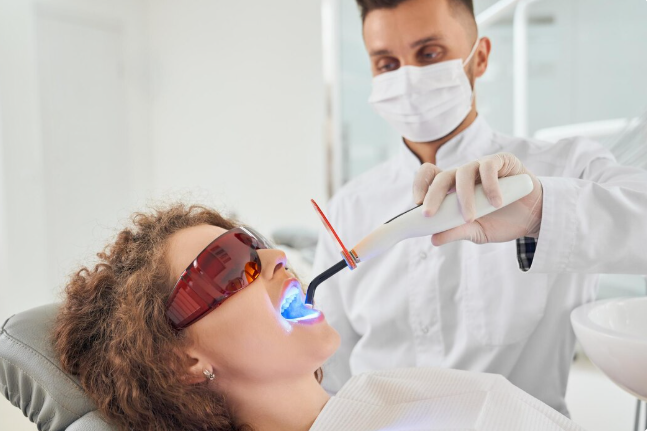
Laser treatment may involve less direct contact with tissue than some conventional techniques. The dentist controls the laser’s settings according to the procedure and the tissue being treated. Protective measures are also used during laser procedures to protect the patient’s eyes and maintain appropriate clinical safety. Patients should follow all instructions provided before and during treatment.
What Are the Potential Benefits of Dental Laser Treatment?
Laser dentistry may offer several benefits for appropriately selected procedures. One potential advantage is the ability to work with soft tissue using concentrated energy and controlled movements. Some procedures may involve less bleeding because the laser can affect small blood vessels as it interacts with tissue. The amount of discomfort, swelling, and recovery time depends on the procedure and the patient’s individual response.
Potential advantages may include:
- Precise treatment of selected tissues
- Reduced bleeding during certain procedures
- Reduced need for direct tissue contact in some treatments
- Potentially less swelling after selected procedures
- Support for bacterial reduction in specific applications
- Treatment options that may complement traditional dental techniques
These benefits should not be interpreted as guarantees for every patient. Laser dentistry is not automatically better than conventional treatment for every dental problem. The dentist needs to consider the diagnosis, treatment goals, oral health, and available techniques before selecting the appropriate method.
Laser Treatment for Gum and Periodontal Care
Gum health is an important part of maintaining overall oral health. Bacteria and plaque can contribute to inflammation and periodontal disease when they remain around the teeth and below the gumline. Depending on the diagnosis and treatment plan, dental lasers may be used as part of periodontal care. The dentist may use laser technology to target selected tissue or assist with bacterial management.
Laser treatment may be combined with other periodontal procedures rather than used independently. Professional dental cleaning, improved home care, periodontal evaluation, and regular follow-up may remain necessary. The appropriate treatment depends on the severity and location of gum disease. Patients should discuss all available options with their dentist before starting periodontal treatment.
Can Laser Dentistry Replace Traditional Dental Treatment?
Laser dentistry does not replace every conventional dental procedure. Some dental conditions require instruments and techniques that are specifically suited to the affected tooth or tissue. For example, extensive restorative work may still require traditional dental equipment and materials. Laser technology is best viewed as one of several tools available to a dental professional.
The dentist’s treatment decision is based on the condition being addressed rather than the technology alone. A thorough examination can identify the most appropriate treatment approach. In some cases, laser treatment may be combined with conventional techniques to complete the procedure. Patients should ask their dentist how laser technology would be used in their specific treatment.
What Should Patients Expect During Laser Dental Treatment?
The experience of laser treatment depends on the procedure being performed. Before treatment begins, the dentist examines the area and explains what will happen. Protective eyewear may be provided because the laser must be used with appropriate eye protection. Local anesthesia may or may not be required depending on the procedure and the patient’s sensitivity.
During treatment, patients may notice sounds, pressure, warmth, or other sensations depending on the type of laser and procedure. The dentist controls the laser throughout the treatment and monitors the treated area. Patients should communicate if they experience unexpected discomfort or have concerns during the procedure. After treatment, the dental team provides instructions based on the specific procedure performed.
Is Laser Dentistry Painful?
Laser dental treatment is not necessarily painful, but the level of sensation varies from one procedure to another. Some treatments may require little or no anesthesia, while others may still involve local anesthetic to maintain comfort. Factors such as the location of treatment, tissue sensitivity, and the type of procedure can affect the experience. Your dentist can explain what level of discomfort you may expect before treatment begins.
After treatment, some patients may experience temporary tenderness or sensitivity in the treated area. Following the recommended aftercare instructions can support recovery. Contact your dental office if discomfort becomes severe, lasts longer than expected, or is accompanied by significant swelling or other concerning symptoms.
Laser Dentistry and Preventive Dental Care
Laser treatment is only one part of maintaining good oral health. Regular examinations allow dentists to identify problems before they become more advanced. Daily brushing, cleaning between the teeth, a balanced diet, and professional dental cleanings remain important regardless of whether laser treatment is used.
Preventive treatments may also be recommended according to individual needs. For patients who are at higher risk of tooth decay, fluoride treatment for teeth may be considered as part of a preventive dental care plan. Fluoride helps strengthen tooth enamel and can support protection against cavities. Your dentist can determine which preventive services are appropriate based on your oral health.
Who May Be a Candidate for Laser Dentistry?
Laser treatment may be appropriate for patients who need certain dental procedures involving soft tissue, gum health, or other conditions that can be addressed with dental laser technology. However, candidacy cannot be determined from symptoms alone. The dentist needs to examine the teeth and gums and understand the patient’s dental history before recommending treatment.
Factors considered during an evaluation may include:
- The type and severity of the dental condition
- The location of the affected tissue
- Existing gum and tooth health
- Previous dental treatment
- Overall treatment goals
- Whether laser technology is appropriate for the procedure
Patients in Kent, Washington, can discuss their treatment options with a dental professional who can explain whether laser dentistry is suitable for their needs. The decision should be based on clinical assessment rather than the availability of laser technology alone.
Choosing a Dental Practice for Laser Treatment in Kent, WA
Choosing a dental practice involves more than looking for a practice that offers laser technology. Patients should consider the dentist’s experience, the services available, the treatment process, and how clearly the dental team explains recommended care. It can also be useful to understand how the practice approaches preventive, restorative, and periodontal treatment.
Implant Oral Surgery & Aesthetics provides dental care in Kent, Washington, including laser dentistry among its available services. Patients can discuss their concerns during an evaluation and learn whether laser treatment is appropriate for their specific dental needs. A consultation also provides an opportunity to ask about treatment steps, expected recovery, and alternatives.
How to Prepare for Laser Dental Treatment
Preparation depends on the type of laser procedure being performed. Your dentist may provide instructions about eating, medications, oral hygiene, or other aspects of care before the appointment. Follow these instructions carefully and tell the dental team about relevant medications or changes in your oral health.
Before treatment, it may be helpful to ask:
- What condition is being treated?
- Why is laser treatment being recommended?
- Will local anesthesia be needed?
- How long is the procedure expected to take?
- What should I avoid after treatment?
- When should I return for follow-up care?
Clear communication helps patients understand their treatment and know what to expect before arriving for the procedure.
Caring for Your Teeth After Laser Treatment
Post-treatment care varies according to the procedure and the tissue involved. Your dentist may recommend changes to brushing, eating, or other daily habits for a short period. Some procedures may require softer foods or avoiding certain foods while the area recovers. Maintaining appropriate oral hygiene remains important unless your dentist gives different instructions.
Patients should also attend any recommended follow-up appointments. These visits allow the dentist to check healing and determine whether additional treatment is needed. If you experience unexpected bleeding, significant swelling, severe pain, or another concerning change, contact your dental office rather than waiting for a routine appointment.
Is Laser Treatment Right for You?
Laser dentistry can be useful for selected dental procedures, but the right treatment depends on the patient’s condition and clinical needs. A laser may offer advantages for certain soft tissue and periodontal procedures, while conventional techniques may be more appropriate for other conditions. Your dentist can compare the available approaches and explain the expected benefits, limitations, and recovery requirements.
If you are considering laser treatment for a dental concern in Kent, Washington, a professional evaluation is the best starting point. The dental team can assess your teeth and gums, discuss your treatment options, and recommend an approach based on your individual needs. To discuss your options or arrange an evaluation, you can contact Implant Oral Surgery & Aesthetics.
Conclusion
Laser dentistry provides dentists with another option for treating selected conditions involving the teeth, gums, and oral tissues. Depending on the procedure, laser technology may offer controlled treatment, reduced bleeding, and other potential benefits. It does not replace traditional dental techniques for every condition, so treatment should always be selected after a professional evaluation. Understanding the procedure, preparation requirements, and aftercare instructions can help patients feel more informed about their dental care. For patients seeking laser dentistry in Kent, Washington, a consultation can help determine whether laser treatment is appropriate for their oral health needs.
Frequently Asked Questions
1. What is laser treatment for teeth?
Laser treatment for teeth uses concentrated light energy during selected dental procedures. Depending on the laser and treatment, it may be used for gum procedures, periodontal care, tissue management, and other dental applications.
2. Is laser dental treatment painful?
The level of discomfort depends on the procedure and the patient’s sensitivity. Some treatments may require little or no anesthesia, while others may involve local anesthetic. Your dentist can explain what to expect before treatment.
3. Can laser dentistry treat gum disease?
Laser technology may be used as part of periodontal treatment for selected patients. The appropriate approach depends on the severity of gum disease and the condition of the affected tissues. A dental evaluation is necessary before treatment is recommended.
4. How long does laser dental treatment take?
Treatment time varies according to the procedure, the area being treated, and the extent of the condition. Your dentist can provide a more specific estimate after examining your teeth and gums.
5. Is laser dentistry suitable for everyone?
No. Laser dentistry is appropriate for certain procedures and patients, but it is not necessary or suitable for every dental condition. A dentist can assess your oral health and determine whether laser treatment is an appropriate option.