You expected the hard part to be the crash itself. Then the calls start, the repair estimate shows up, your body stiffens the next morning, and you find out the other driver may not have enough insurance or any at all. That is the point when a lot of people realize how thin the safety net can be, and when speaking with a birmingham car accident attorney may start to feel necessary. Um/Uim Coverage Claims After Birmingham Crashes often come down to one basic issue. You paid for coverage meant to protect you, but getting that coverage paid is rarely as simple as filing a form and waiting for a check.
If you are dealing with medical bills, missed work, and an insurer asking for statements and records, your stress makes sense. Uninsured and underinsured motorist coverage can help when the at fault driver cannot fully cover your losses, but these claims still face scrutiny. The policy language matters. The value of your injuries matters. The timing matters. A personal injury lawyer can help you treat your own insurer’s claim process with the same care you would use against the other driver’s insurance company.
Uninsured and underinsured motorist claims fill the gap left by the at fault driver
Alabama requires liability insurance for drivers, and the state verifies coverage through its insurance tracking system. You can review the state’s mandatory liability insurance requirements and see how Alabama confirms insurance coverage. Even with that system in place, crashes still happen where the other driver has no active policy, carries only low limits, or leaves the scene before you can identify them.


That is where UM and UIM coverage comes in. Uninsured motorist coverage usually applies when the other driver has no insurance or in some hit and run cases. Underinsured motorist coverage usually applies when the other driver has insurance, but the limits do not come close to covering your medical care, lost income, pain, and long term effects. Uninsured motorist claims and underinsured motorist claims are often the only realistic path to full compensation after a serious wreck.
The problem is that your own insurance company does not automatically see your claim the way you do. You may think the crash facts are obvious and your injuries are documented, but adjusters still look for ways to reduce value. They may question whether your treatment was necessary, whether a pre existing condition played a role, or whether you waited too long to seek care. If your pain worsened over days instead of hours, they may act as if delayed symptoms mean minor injuries. Anyone who has lived through a crash knows that is not how the body works.
See also: How Animal Clinics Support Rescue Pets’ Rehabilitation
Insurance disputes after a Birmingham crash often turn on proof, timing, and policy language
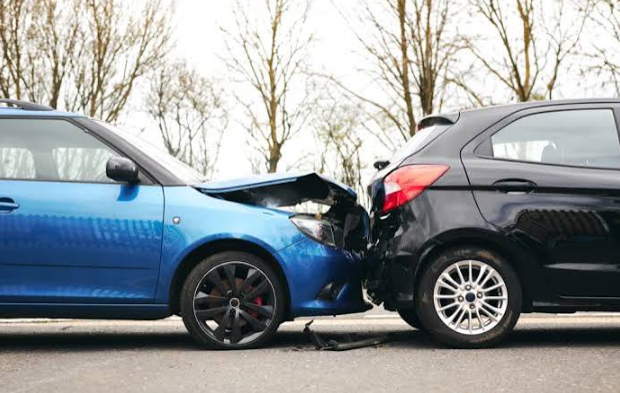
A common example looks like this. You are rear ended at a light. The other driver carries a low limit policy. At first, you assume their insurance will handle it. Then your imaging shows disc damage, physical therapy stretches on for months, and you miss work because sitting or lifting hurts. The other driver’s policy may be exhausted long before your losses are fully covered. That is when a UM/UIM claim after a car accident becomes central.
Another example is a hit and run. You are left with damage, bruising, maybe worse, and no driver to pursue. Your own UM coverage may apply, but the insurer may demand prompt notice, documentation, and evidence that the crash meets the policy terms. A simple mistake in how the claim is presented can slow everything down.
Money pressure makes these disputes harder. You may feel pushed to settle before you know the full extent of your injuries. That can backfire if future treatment becomes necessary. Once a release is signed, reopening the claim is usually not an option. A personal injury lawyer helps measure the claim before it is closed, not after.
Handling a UM/UIM claim alone and with legal help creates very different risks
| Issue | Handling the claim alone | Working with a personal injury lawyer |
|---|---|---|
| Policy review | You may miss notice rules, exclusions, stacking issues, or consent requirements. | The policy is reviewed for available coverage, deadlines, and hidden limits. |
| Claim value | Medical bills get counted, but pain, future care, and lost earning impact may be undervalued. | Damages are documented with records, wage proof, and medical support. |
| Communication with adjusters | Recorded statements or casual comments can be used to weaken the claim. | Responses are controlled and tied to evidence. |
| Settlement timing | Early offers can look helpful when bills are due, even if they are too low. | Settlement is timed around treatment progress and a clearer picture of loss. |
| Disputed liability or injury | You carry the burden of pushing back against denial arguments. | The claim is built for negotiation and, if needed, litigation. |
This is not about making every claim a fight. Some claims move smoothly. Many do not. The larger the injury, the more likely the insurer will test the edges of the file. That is especially true in underinsured motorist coverage claims, where your damages exceed another driver’s limits and your own carrier steps into the gap with a financial reason to resist paying full value.
Three immediate steps can protect your UM/UIM claim
1. Get medical care and follow through. Gaps in treatment create room for the insurer to argue that you were not badly hurt. Go where you need to go, keep appointments, and tell providers exactly what symptoms you have, even if they seem small at first.
2. Preserve every piece of evidence. Save the crash report, photos, repair estimates, medical bills, wage records, and every message from any insurance company. Keep a short journal of pain, sleep problems, missed activities, and work issues. That day to day record can show how the injury changed your life in a way a bill never can.
3. Get the policy reviewed before you accept money. Your coverage may include more than one source of recovery, and the wording matters. A personal injury lawyer can identify available UM or UIM benefits, evaluate whether the offer is fair, and protect you from signing away rights too early.
The right support can steady the claim and your recovery
After a crash, you should not have to guess whether your own insurance will do what it promised. If the other driver had no insurance, too little insurance, or disappeared, there may still be a path forward. The key is building the claim carefully, valuing it honestly, and not letting pressure force a rushed decision. If you are facing UM/UIM coverage issues after a wreck, speak with a personal injury lawyer and get clear advice on your next move.