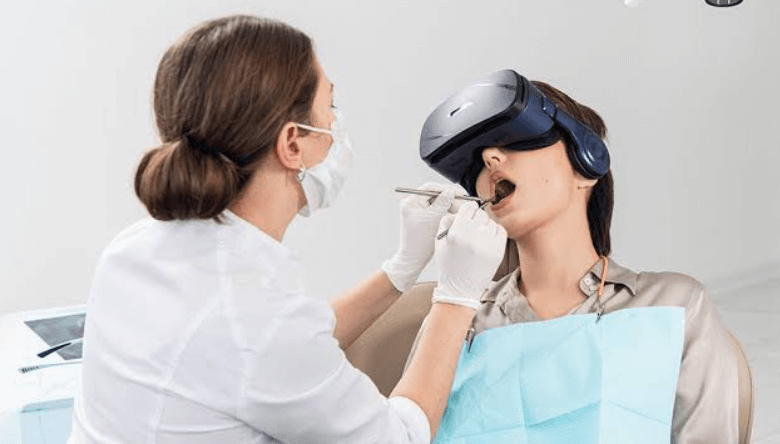
You sit down for a routine dental visit at an established dental practice in Los Alamitos expecting the usual mirror and probe, then the room fills with new screens, sensors, scanners, and images you have never seen before. That can feel reassuring and a little uneasy at the same time. You want a careful exam, not extra steps that seem confusing or expensive. You also want to know whether these tools actually help or just make a basic checkup feel more complicated.
That tension is real. A general dentist exam with advanced technology often looks different from the visits you remember years ago, but the goal is still simple. Your dentist is trying to find problems earlier, explain them more clearly, and treat less damage later. When these tools are used well, they support a better diagnosis, not a sales pitch.
Advanced dental exam technology helps dentists see what the eye can miss
A standard visual exam still matters. Your dentist checks your teeth, gums, bite, tongue, cheeks, and signs of wear or infection. The problem is that some issues hide below the surface. A cavity can start between teeth. Bone loss can develop quietly. A crack can be too fine to see with the naked eye. Soft tissue changes can look minor before they become serious.


That is where digital imaging and scanning come in. Digital X rays use sensors instead of film, which gives faster images and helps dentists enlarge areas that need a closer look. In some cases, a dentist may recommend 3D imaging. The FDA explains that dental cone beam CT can provide detailed views of teeth, bone, nerve pathways, and airways when regular images are not enough. This is often used for implant planning, impacted teeth, complex root issues, or jaw concerns.
Intraoral cameras help in a different way. They are small cameras that capture close up images inside your mouth. That matters because you can see what your dentist sees. If a filling is breaking down or a gumline is inflamed, a picture on a screen is easier to understand than a quick explanation while your mouth is open.
Digital scanners are also changing exams. Instead of messy impressions, some offices use handheld scanners to build a 3D model of your teeth. This helps track wear, movement, bite changes, and cracks over time. It also helps if you need a night guard, aligners, or a crown later. The scan becomes part of a record your dentist can compare from one visit to the next.
General dentistry tools support earlier detection and clearer decisions
The hard part for many patients is not the tool itself. It is the fear of what the tool might find, or the worry that more technology means a bigger bill. If you have ever had a dentist point to a tiny shadow on an image and recommend treatment you did not expect, you know how fast trust can feel shaky.
Clear communication fixes much of that. A good modern dental exam connects each tool to a reason. If your dentist uses a periodontal probe and digital X rays, they should explain whether they are checking for bone loss, infection, or deep pockets around the gums. If they suggest oral cancer screening, they should explain what they are looking for and why it matters.
That part deserves attention. The National Institute of Dental and Craniofacial Research highlights the burden of cancers affecting the head and neck in its update on facing cancer of the head and neck. During routine exams, dentists often look for unusual sores, patches, swelling, or tissue changes that may need follow up. Most findings are not cancer, but catching suspicious changes early can change the whole course of care.
The broader picture is just as clear. The NIDCR report on oral health in America describes how oral disease remains common across the country, even though many conditions are preventable or easier to manage when found early. That is the real value of better tools in general dentistry. They help dentists move from guessing to documenting, from late treatment to earlier intervention.
Common exam tools differ in what they show and when they help
| Tool | What it helps detect | When it is often used | What you should ask |
|---|---|---|---|
| Digital X rays | Cavities between teeth, bone loss, infections, hidden decay | Routine exams and problem focused visits | How often do I need these based on my risk? |
| Intraoral camera | Cracks, worn fillings, gum irritation, visible decay | Chairside explanation during an exam | Can you show me the area you are concerned about? |
| Digital scanner | Tooth wear, bite changes, movement, surface detail | Baseline records, crowns, guards, aligner planning | Will this scan be used to compare future changes? |
| Cone beam CT | 3D bone structure, impacted teeth, root position, implant planning | Complex cases, not every routine exam | Why is 3D imaging needed instead of standard X rays? |
| Oral cancer screening | Unusual tissue changes, sores, lesions, asymmetry | Routine adult exams, especially with risk factors | Did you see any tissue changes that need monitoring? |
Simple steps help you get more value from a dental exam
Ask what each tool is checking for. You do not need a lecture. You need a plain answer. If an image or scan is recommended, ask what problem your dentist is trying to confirm or rule out. That keeps the visit grounded in your care, not in the equipment.
Request to see the images. Many people agree to treatment without fully understanding what was found. If your dentist can show you the crack, cavity, bone loss, or tissue change on a screen, the decision becomes easier and more informed.
Know when more imaging makes sense. A routine checkup does not always need every tool available. If 3D imaging or extra scans are suggested, ask why they matter in your case, what the benefit is, and whether another option would provide enough information.
Better tools do not replace judgment, they support it
A good exam still comes down to skill, honesty, and context. The best technology in the room cannot replace a dentist who listens, explains, and uses restraint. It can make your care more precise, more visual, and more preventive when it is used for the right reasons.
If your next visit includes advanced imaging, scanning, or screening, you do not need to feel pressured to just nod along. Ask to see what they see. Ask why it matters. A thoughtful general dentist will welcome that conversation and help you make decisions with more confidence.