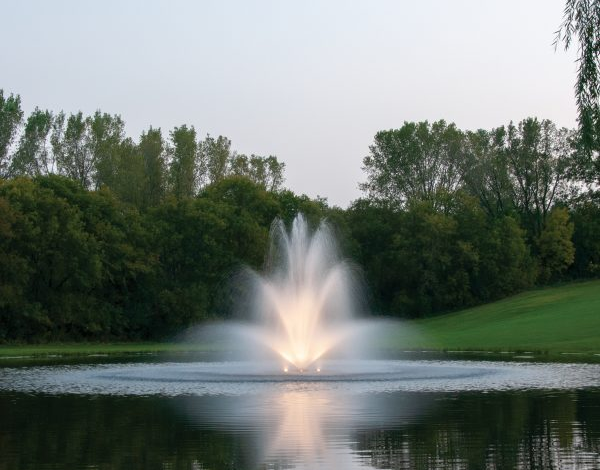
Sound is the part nobody researches. Buyers compare spray patterns, horsepower ratings, cable lengths, and lighting kits, then install a fountain for pond use and discover the whole thing has an audio track. Sometimes it is pleasant. Sometimes a neighbor mentions it over the fence in July, politely, in the way people do when they have been thinking about it for weeks. What you hear at your back door and what carries three properties over are rarely the same thing.
The good news is that a fountain for pond installations makes very little mechanical noise. The motor sits underwater, and water absorbs sound well. Almost everything anyone hears is water hitting water. That distinction matters, because water noise is something you can shape.
Where the Sound Actually Comes From
Think about what happens when the display runs. Water leaves the nozzle, travels upward, then falls back to the surface.


The falling part makes the noise.
Height plays into it. A tall column drops from further up, hits harder, and produces a heavier sound. A wide, low spray spreads the impact over a larger surface area and reads as softer. Same pump in some cases. Different nozzle.
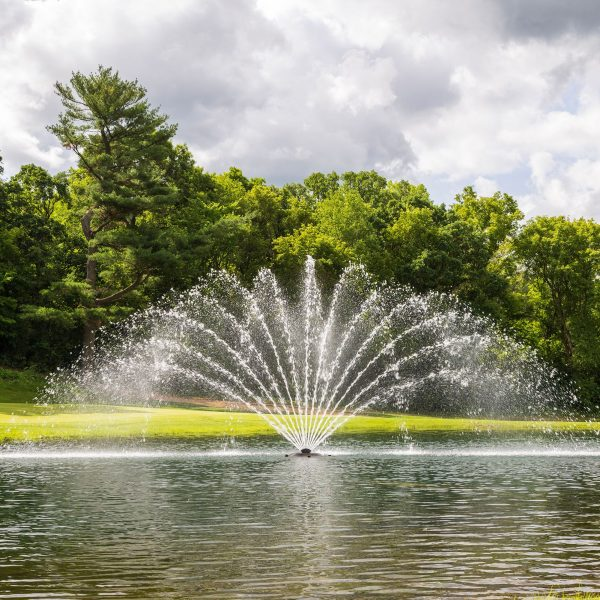
Pattern matters as much as power. A single jet concentrates the landing zone. A multi-tier or umbrella style display scatters it. Owners who describe their fountain as loud are often describing their nozzle choice without knowing it.

How Far Water Sound Travels Across Open Ground
Here is what surprises people. Sound crosses open water almost without resistance.
Your lawn absorbs sound. Hedges absorb sound. A flat pond surface reflects it, so the noise reaches the far bank at nearly full strength and keeps going.
Distance still helps, and it helps a lot. Sound drops off quickly as it spreads outward. A display audible as a steady rush from ten feet becomes a background presence at fifty and vanishes into ordinary outdoor noise well before it reaches a neighbor two properties away, assuming anything stands between the two of you.
Nighttime changes the picture. Cooler air near the ground bends sound back downward instead of letting it rise. That same fountain you barely notice at two in the afternoon can carry noticeably further at eleven at night, when everything else has gone quiet.
See also: The Future of Mixed Reality
Choosing a Fountain for Pond Sites Close to Property Lines
Some ponds sit in the middle of ten acres. Others sit forty feet from someone else’s patio. The second situation needs more thought before ordering.
A few things worth weighing:
- Lower spray height over dramatic vertical displays when boundaries are close
- Wider patterns that spread the water landing instead of concentrating it
- Placement toward your own side of the pond rather than centered, when the layout allows
- Existing screening, since a hedge or fence line does real work
- Aeration units, which move water without throwing a tall column into the air
That last option deserves a second look. If your goal leans toward water quality rather than display, aeration offers a much smaller sound footprint.
When the Noise Is a Warning Rather Than a Feature
Water noise is normal. Mechanical noise is not, and telling them apart saves money.
A grinding, rattling, or buzzing sound coming from the unit means something needs attention. Debris caught in the intake is the common cause. Check the filter screen around the pump first, because blockage shows up as reduced flow and unusual sound together.
Cavitation is worth knowing about too. When a pump cannot draw enough water, it pulls air instead, and the sound turns harsh. Usually the unit sits too shallow or the intake is partly obstructed. Moving it deeper often solves it outright.
The simplest rule is this. If the sound changed, investigate. If it has always sounded that way, it is probably just the display.
Living with the Sound Long Term
Most owners adapt to their fountain within about a week. Attention filters it out. Guests notice it; you stop noticing it; then someone comments, and you hear it again for an afternoon.
Neighbors are a different case. They did not choose the sound, and they did not choose the timing.
A short conversation before installation goes a long way. Mentioning that a fountain is going in, roughly where it will go, and that you are happy to adjust it removes almost all the friction. Very few complaints start with the noise itself. They start with the surprise.
Timer control helps as well. Running the display through daytime hours and cutting it back overnight keeps the water moving without sending sound across quiet gardens at midnight. Continuous operation does more for water quality, so there is a genuine trade-off there, and different ponds land in different places on it.
Sound Questions Worth Asking Before You Buy
Sort these out before the order goes in:
- How close is the nearest property line, and what stands between
- Is the goal a visible display, cleaner water, or both
- What nozzle patterns come with the model you are considering
- Can spray height be adjusted after installation?
- Will the unit run overnight or on a schedule?
- How deep will the pump sit at its planned location?
How does your site stack up? Get in touch and talk through pond dimensions, nozzle options, and placement before you commit to a model.





One Comment