You already have enough to keep track of. Work, school schedules, meals, bills, and the small daily messes that seem to multiply on their own. Visits to a Rancho San Diego dentist can slip down the list, especially when nobody is in pain and everyone seems fine. That is usually how small problems stay hidden. A cavity does not always hurt right away, gum disease can start quietly, and kids often cannot explain that something feels off until it gets worse.
That is why regular care matters. Why Regular Visits Strengthen Family Oral Health comes down to one simple truth. Preventive care catches trouble early, lowers the chance of bigger treatment later, and helps every person in your home build habits that last. A trusted family dentist does more than clean teeth. They track changes over time, spot patterns, and help your whole household stay ahead of pain, cost, and stress.
Regular Dental Visits Protect More Than Teeth
It is easy to think of the dentist as the place you go when something breaks. That mindset costs families more than they expect. By the time a tooth hurts, decay may already be deep. By the time gums bleed often, inflammation may have been building for months. Routine exams and cleanings shift the focus from repair to prevention.

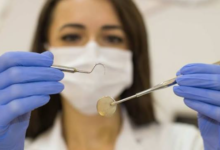
During a dental exam, a provider checks for cavities, gum problems, bite issues, and other signs that need attention. They also remove plaque and tartar that brushing and flossing at home cannot fully handle. This matters for adults and children alike. Kids need monitoring as their teeth grow in and their jaws develop. Adults need screening for wear, gum recession, cracked fillings, and signs of grinding.
The benefit reaches beyond the mouth. The CDC explains oral health as part of overall health, not a separate issue. Problems in the mouth can affect eating, speaking, sleep, school performance, and self confidence. If a child has tooth pain, that can mean missed classes and hard mornings. If a parent delays care, that can turn a small filling into a root canal or extraction. Families feel those effects in time, money, and energy.
See also: 3 Advanced Tools Family Dentists Use To Monitor Oral Growth
Family Oral Health Gets Stronger When Care Is Consistent
Consistency changes the outcome. One missed cleaning may not seem like much, but missed visits often become a pattern. A child gets nervous after a long gap. An adult keeps putting off a sore spot because life is busy. Then the next appointment is no longer routine. It is urgent.
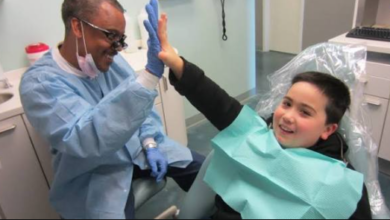
Routine dental care for families creates familiarity, and familiarity lowers stress. Children who grow up with regular checkups often see dental care as normal, not scary. Parents have a built in time to ask about brushing habits, thumb sucking, mouthguards, sealants, and diet. Teens can be checked for wisdom tooth concerns, sports injuries, and the effects of braces or retainers. Older adults can be monitored for dry mouth, gum disease, and changes linked to medications.
This is where a family practice helps. A provider who sees multiple members of the same household can notice patterns. Maybe several people in the home are dealing with enamel wear from acidic drinks. Maybe bedtime brushing is inconsistent because evenings are rushed. Maybe one child needs extra support with flossing while another has early crowding. That kind of continuity makes preventive family dental care more practical and more personal.
The NIH oral and dental health resources also point to the basics that matter most, including prevention, hygiene, and regular professional care. Home care does a lot. It does not replace trained eyes, dental X rays when needed, and cleanings that remove buildup you cannot see.
Prevention Usually Costs Less Than Delay
Many families postpone appointments because they are trying to save money. That makes sense in the moment, especially when budgets are tight. The hard part is that delay often leads to larger bills. A cleaning and exam are usually far less expensive than a filling, crown, or emergency visit. Time off work, missed school, and rushed scheduling add to the cost in ways that do not show up on a receipt.
| Situation | Regular Visits | Delayed Care |
|---|---|---|
| Early cavity | May be found when small and easier to treat | Can grow deeper and lead to pain or a larger restoration |
| Gum inflammation | Often addressed with cleaning and home care changes | May progress to gum disease and tooth support loss |
| Child dental anxiety | Builds comfort through familiar, low stress visits | Fear can increase when the first visit happens during pain |
| Family budget | More predictable preventive expenses | Higher chance of surprise treatment costs |
That pattern is one reason regular checkups support stronger oral health for the whole family. They reduce surprises. They also make planning easier, which matters when you are coordinating several people at once.
Small Habits at Home Work Better With Professional Support
Most families are doing the best they can. You remind kids to brush, buy the floss, limit sugar when possible, and hope it adds up. Sometimes it does. Sometimes there are still cavities, crowding, or gum issues, and that can feel frustrating. It does not mean you failed. Teeth are shaped by habits, diet, genetics, medications, and age. Professional visits help you adjust instead of guessing.
A dentist can show a child how to angle a toothbrush, explain why a teen keeps getting plaque around the same area, or suggest products that fit a parent with sensitive gums. Advice lands better when it is specific. General reminders fade fast in busy homes. Clear guidance tied to what is happening in your own mouth tends to stick.
Three Steps You Can Take Right Away
1. Put dental visits on the family calendar now. Choose the next available time and treat it like any other health appointment. If you wait for a perfect month, it usually does not come.
2. Link home care to daily routines. Brush after breakfast and before bed. Keep floss where you can see it. Children do better with cues they can repeat, not reminders that change every day.
3. Track small warning signs. Bleeding gums, bad breath that stays, sensitivity, mouth pain, or a child avoiding one side while chewing are all worth mentioning. Early details help prevent bigger treatment later.
Steady Care Builds Confidence Across the Whole Family
Healthy mouths do not happen by accident. They are built through steady habits, regular checkups, and care that catches problems before they take over your time and budget. If your family has fallen behind, you are not alone, and you do not need to fix everything at once. Start with the next appointment. One visit can reset the pattern and make the rest feel more manageable.
Schedule a visit with a family dentist and give your household a simpler path to stronger oral health.