Diesel vehicles are often chosen for their torque, durability, and ability to handle demanding driving conditions. For many owners, particularly those who use their vehicles for towing, touring, off-road driving, or regular heavy-duty work, factory settings may not always match the way the vehicle is actually used.
Mechanical tuning focuses on adjusting mechanical components and settings to suit the engine and its operating requirements. Unlike electronic tuning methods that modify ECU parameters, mechanical tuning works with physical components such as fuel systems, injection pumps, airflow, and other engine-related systems.
A properly planned tuning process starts with understanding the vehicle rather than simply trying to increase power. Engine condition, fuel delivery, air supply, exhaust flow, and the intended use of the vehicle all have a bearing on the final result.


What Is Mechanical Tuning?
Mechanical tuning involves making physical adjustments or modifications to engine components so that they work together more effectively.
Older diesel engines, particularly those using mechanical injection systems, rely heavily on mechanical components to control fuel delivery. The injector pump, injectors, turbocharger, and related components all influence how the engine operates.
The goal of tuning is not simply to add more fuel. Fuel delivery needs to work alongside available air and the engine’s operating conditions. An unsuitable adjustment can result in excessive smoke, unnecessary heat, poor drivability, or increased component stress.
For that reason, tuning should be approached as a complete system rather than as one isolated adjustment.
See also: Charges Withdrawn, Licence Still at Risk: A Professional Regulation Lawyer in Toronto Explains Why
Understanding the Fuel System
Fuel delivery is one of the most significant areas to consider with a mechanically injected diesel engine.
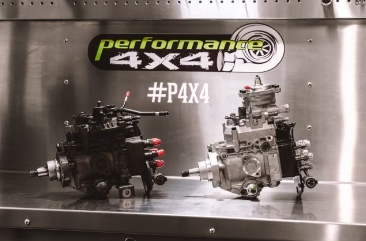
A mechanical injection pump determines how much fuel reaches the engine and when that fuel is delivered. Changes to pump settings can affect throttle response, torque, smoke levels, and overall engine behaviour.
This is why mechanical diesel pump tuning can be relevant when working with a diesel engine that uses a mechanical injection system.
Pump adjustments need to suit the rest of the engine. Increasing fuel without considering airflow can produce excessive smoke and additional heat rather than useful performance.
A properly considered setup looks at fuel delivery alongside turbocharger performance, intake airflow, exhaust flow, and the engine’s existing condition.
Airflow Matters Alongside Fuel
Diesel engines require sufficient air to burn fuel effectively.
If additional fuel is introduced without enough available air, combustion can become less efficient. Depending on the engine and setup, this may contribute to visible smoke, higher exhaust temperatures, or inconsistent performance.
Turbocharged diesel engines have additional considerations because boost pressure and airflow influence how much fuel the engine can use effectively.
The intake system should therefore be checked before making significant fuel adjustments. Restrictions, damaged components, poor connections, or other mechanical problems can affect the amount of air reaching the engine.
Tuning a mechanically injected diesel is therefore about finding a sensible relationship between fuel and air rather than simply increasing one variable.
Mechanical Tuning and Throttle Response
Throttle response is one area where drivers may notice changes after appropriate tuning.
A vehicle that feels sluggish when pulling away, climbing a hill, or carrying additional weight may benefit from adjustments that improve how fuel is delivered through the operating range.
However, response should remain predictable. Excessive fuel delivery can make an engine feel stronger initially while creating unwanted smoke or heat under load.
The driving conditions should also be considered. A vehicle used for towing may require a different setup from one primarily driven on the highway or used for recreational off-road trips.
Tuning based on the actual purpose of the vehicle can produce a more useful outcome than chasing a single maximum power figure.
Consider the Condition of the Engine First
Mechanical tuning should not be used to compensate for an engine that already has unresolved problems.
Before making adjustments, it makes sense to inspect areas such as the fuel system, air intake, turbocharger, cooling system, exhaust system, and general engine condition.
Worn injectors, blocked filters, boost leaks, restricted intake components, or other faults can affect performance regardless of tuning.
If a vehicle is already experiencing poor starting, unusual smoke, overheating, oil consumption, or inconsistent running, those issues should be investigated first.
A sound mechanical foundation gives tuning adjustments a more reliable starting point.
Mechanical Diesel Tuning for Older Vehicles
Mechanical diesel systems remain common on older 4WDs and work vehicles.
Many of these vehicles are valued for their relatively straightforward mechanical design and ability to operate without the same electronic systems found on newer diesel engines.
For owners of these vehicles, mechanical diesel tuning can provide a way to adjust the engine around its intended use.
Older engines can also have considerable variation depending on their maintenance history, modifications, mileage, and previous repairs. A tuning setup that works for one vehicle may not automatically be suitable for another vehicle with the same engine model.
That makes inspection and individual adjustment particularly relevant.
Tuning for Towing and Heavy Loads
Towing places additional demand on a diesel engine.
When a vehicle is pulling a trailer or carrying heavy equipment, the engine spends more time under load. This can increase heat production and place additional demands on the cooling, fuel, turbocharger, and transmission systems.
For this reason, tuning for towing should focus on usable torque and predictable operation rather than simply chasing peak figures.
A well-considered setup can help an engine deliver power in a useful part of the rev range, making hills and heavy loads easier to manage.
Drivers should also remember that engine tuning is only one part of a towing setup. Cooling capacity, brakes, tyres, suspension, transmission condition, and overall vehicle weight all matter.
The Role of Injectors
Injectors are another important component in a diesel fuel system.
They control how fuel is delivered into the combustion chamber, so their condition can have a direct effect on combustion quality and engine behaviour.
Worn or poorly functioning injectors may contribute to rough running, smoke, difficult starting, or reduced performance.
Before adjusting fuel delivery, it is worth establishing whether the injectors are operating as expected. Increasing pump delivery while ignoring injector condition can make it harder to achieve a balanced setup.
The same principle applies to other engine components: tuning works best when the supporting hardware is functioning properly.
Mechanical Tuning Versus Electronic Tuning
Mechanical and electronic tuning use different methods.
Mechanical tuning involves physical components and adjustments, while electronic tuning generally modifies the signals or maps controlling an electronically managed engine.
For older mechanically injected engines, electronic ECU remapping may not be applicable in the same way it is for modern electronically controlled diesel vehicles.
The vehicle’s engine type and injection system therefore need to be identified before deciding which tuning method is appropriate.
For electronically controlled diesel engines, services such as ECU remapping Brisbane are a different category of tuning and should not be confused with mechanical pump adjustment.
Monitoring the Engine After Tuning
Changes to fuel delivery and engine performance should be monitored rather than judged only by how the vehicle feels from the driver’s seat.
Depending on the engine and modifications, monitoring may include exhaust temperatures, boost pressure, smoke behaviour, coolant temperature, and general engine response.
These observations can help identify whether the engine is operating within an appropriate range.
A vehicle that produces more power but also develops excessive heat or smoke under load may not have gained a useful long-term improvement.
Good tuning considers performance together with reliability and operating conditions.
Matching Tuning to the Vehicle
Every diesel vehicle has its own combination of engine condition, modifications, driving environment, and intended purpose.
A touring 4WD may spend long periods at highway speeds and then encounter steep tracks. A work vehicle may regularly carry heavy loads. Another vehicle may be used mainly for everyday driving.
These different requirements can influence how the engine should be set up.
Mechanical tuning should therefore begin with the vehicle’s actual needs. Understanding those needs helps determine which areas require attention and which adjustments may not be necessary.
A Practical Approach to Diesel Performance
Mechanical tuning can involve several interconnected areas, from fuel pump settings and injector condition to airflow and turbocharger operation.
The most useful approach is to consider the complete system rather than focusing on one adjustment. Engine condition should be assessed first, the intended use should be clearly understood, and changes should be made carefully.
For owners of mechanically injected diesel vehicles, mechanical tuning can be part of a broader effort to improve drivability and make the engine better suited to its working conditions.
The right setup is ultimately one that works with the vehicle rather than against it. Careful adjustments, appropriate monitoring, and attention to the condition of supporting components can help create a diesel engine setup that is practical for everyday driving, touring, towing, or off-road use.