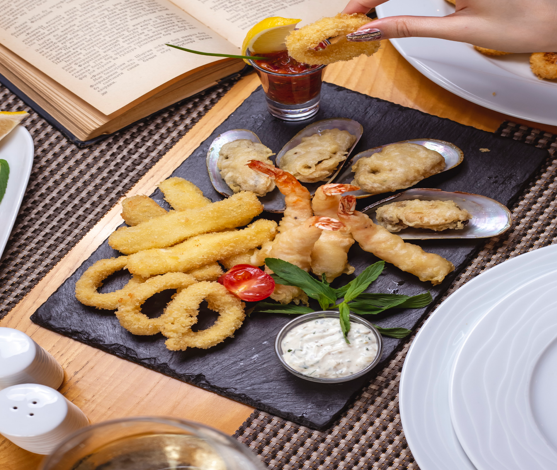
Finding the right seafood restaurant can make a casual lunch, family dinner, or evening out feel much more memorable. West Palm Beach offers plenty of choices, but the dining experience can vary widely from one restaurant to another. Fresh ingredients, a thoughtful menu, preparation methods, atmosphere, and service all affect what ends up on the table.
For diners searching for a seafood restaurant West Palm Beach, looking beyond the menu price can help narrow down the options. A good seafood meal starts with quality ingredients, but the way those ingredients are handled and prepared matters just as much.
Start With the Seafood Selection
A seafood restaurant should offer enough variety to suit different tastes without making the menu feel unfocused. Depending on the restaurant, you might find fish, shrimp, crab, scallops, ceviche, sushi, seafood salads, or other coastal-inspired dishes.


A varied menu gives a group more flexibility. One person may prefer grilled fish, while another may want a seafood appetizer or a chilled preparation. Restaurants that work with several types of seafood can also provide different textures and flavors throughout the meal.
For people specifically searching for seafood West Palm Beach, checking the menu before visiting can be useful. Look for dishes that match your preferences rather than choosing a restaurant based only on its location.
See also: Advanced Quaternary Annulus Inspection Services for Gas Turbine Components
Freshness Should Be Part of the Conversation
Freshness is one of the first things many diners consider when choosing seafood. Fish and shellfish are delicate ingredients, so storage, handling, and preparation can all affect the final dish.
Fresh seafood should have a clean, pleasant aroma rather than an overpowering smell. The texture should also suit the particular type of seafood being served. These details can be harder to judge from a menu, which is why restaurant reputation and customer feedback can provide useful context.
If you’re searching online for fresh seafood near me, take some time to look at the restaurant’s menu and recent customer experiences. Photos can also give you an idea of how dishes are presented, although appearance alone does not tell the whole story.
Pay Attention to How Seafood Is Prepared
The same ingredient can taste completely different depending on how it is prepared. Grilling can bring out a smoky character, while steaming keeps the flavor lighter. Fried seafood provides crispness, and raw or chilled preparations offer a completely different experience.
A restaurant with several preparation styles gives diners more opportunities to find something they enjoy.
For example, a delicate fish may work well with a simple preparation that allows its flavor to stand out. Rich sauces and heavier seasonings can create a different type of dish, particularly for diners who prefer stronger flavors.
The menu should make preparation methods reasonably clear. This helps customers understand what they are ordering and choose dishes according to their preferences.
Look Beyond the Main Course
A seafood meal does not have to revolve entirely around an entrée. Appetizers can set the tone for the rest of the meal and give diners an opportunity to sample several flavors.
Depending on the menu, seafood appetizers might include ceviche, shrimp preparations, calamari, oysters, crab-based dishes, or other small plates. Sharing several appetizers can also make a group meal more social.
A restaurant that gives attention to its starters can be particularly appealing to people searching for a seafood appetizers restaurant. Well-planned appetizers can provide variety without requiring every person at the table to order a separate entrée.
Consider the Influence of Different Cuisines
Seafood appears in cuisines around the world, and each culinary tradition brings its own ingredients, techniques, and flavor combinations.
Peruvian cuisine, for example, is known for seafood preparations that can combine fresh ingredients with citrus, peppers, herbs, and other distinctive flavors. Ceviche is one familiar example, but Peruvian seafood extends well beyond a single dish.
A Peruvian seafood restaurant can give diners a chance to experience seafood through a different culinary perspective. This can be especially appealing for people who regularly eat traditional grilled or fried seafood and want to try something less familiar.
Check the Menu Before You Visit
Taking a few minutes to read the menu can prevent surprises at the table. Look at the seafood selection, appetizers, preparation methods, sides, beverages, and portion descriptions.
If you’re dining with other people, consider whether the menu offers enough variety for the entire group. A restaurant may specialize in seafood but still offer several preparation styles and flavor profiles.
Online menus can also help people identify dishes that suit specific dietary preferences or avoid ingredients they do not eat. If an ingredient or preparation method is unclear, asking the restaurant directly is usually the simplest option.
Think About the Dining Atmosphere
Food is only one part of the restaurant experience. The setting can affect whether a place feels appropriate for a relaxed lunch, family gathering, date night, or dinner with friends.
Some diners prefer an informal setting where they can enjoy seafood without much ceremony. Others may want a more polished environment for a special occasion.
Consider the type of meal you have planned before choosing a restaurant. The atmosphere, seating arrangement, noise level, and overall style can influence how comfortable the experience feels.
Service Can Shape the Meal
Good service is especially useful at restaurants with specialized menus. Staff should be able to answer basic questions about ingredients, preparation methods, portion sizes, and popular dishes.
This becomes even more helpful when trying unfamiliar seafood. A server who can explain the differences between dishes can make ordering easier without pressuring customers into a particular choice.
Timing also matters. Seafood dishes are often best enjoyed soon after preparation, so coordination between the kitchen and dining room can affect the overall experience.
Look for Variety Without Losing Focus
A large menu does not automatically mean better food. Too many unrelated options can sometimes make it difficult to understand what a restaurant specializes in.
A focused seafood menu can make it easier for diners to identify the restaurant’s style. Look for a selection that provides variety while still maintaining a clear emphasis on seafood.
This can include different fish, shellfish, raw preparations, cooked dishes, appetizers, and sides. The goal is not simply to have dozens of choices but to have enough options for different preferences.
Think About Who You Are Dining With
The best restaurant choice can depend on the people at the table. A seafood enthusiast may want to try something unfamiliar, while someone less comfortable with seafood might prefer a familiar grilled or fried option.
Families may value simple choices and shareable dishes. Couples might focus more on atmosphere and presentation. Larger groups may appreciate a menu with appetizers and dishes that can be shared.
Considering these details before making a reservation can make the meal easier to plan.
A Practical Way to Choose
Start by identifying the type of seafood you want. Then look at preparation styles, appetizer choices, cuisine, atmosphere, and service. Check the menu and recent customer feedback, and consider whether the restaurant suits the occasion.
For diners exploring fresh seafood West Palm Beach, these details can help narrow down the many available options without relying on a single factor.
A seafood restaurant should give you a reason to enjoy the meal from the first appetizer through the final bite. Quality ingredients, thoughtful preparation, a varied menu, and a comfortable setting can all contribute to that experience.






One Comment