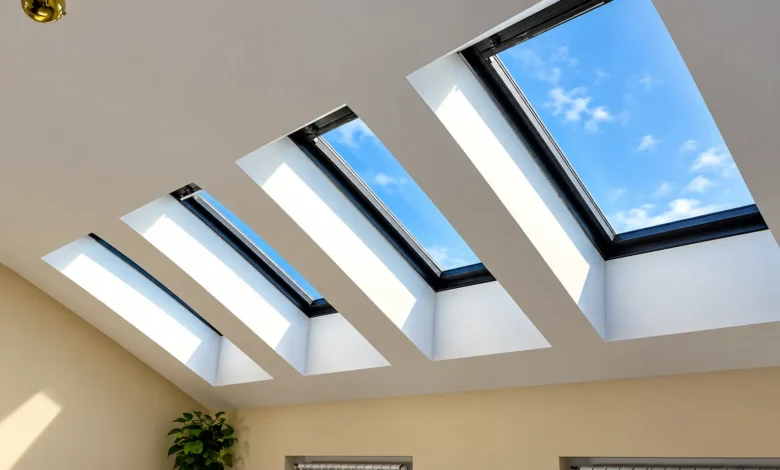
Natural light and fresh air can make a noticeable difference to the comfort of a home. Rooms with limited windows may feel dark, stuffy or less inviting, particularly in loft conversions, extensions and properties with deep floor plans. Roof glazing offers a practical way to address these issues. By introducing opening rooflights into a suitable roof structure, homeowners can increase daylight levels and provide an additional route for air circulation without sacrificing valuable wall space.
What Are Opening Rooflights?
Opening rooflights are glazed units fitted into a roof that can be opened to allow fresh air into the building. Unlike fixed roof windows, which provide daylight but remain closed, these units support natural ventilation alongside illumination.
They are available in different sizes, frame materials and opening mechanisms. Some models operate manually using a handle or pole, while others use electric controls or automated systems. The most suitable option depends on the roof design, the room’s intended use and how easily the window can be reached.
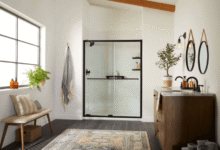
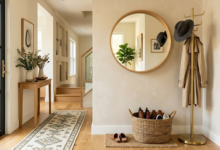
These installations are commonly found in loft bedrooms, kitchens, bathrooms, stairwells and home extensions. Their usefulness extends beyond appearance because they can help manage indoor air quality and improve the distribution of natural light.
How Natural Ventilation Improves Indoor Comfort
Indoor air can accumulate moisture, cooking odours and other pollutants through everyday activities. Bathrooms generate steam, kitchens produce heat and moisture, and occupied rooms gradually become warmer. Without sufficient ventilation, these conditions may contribute to condensation and an uncomfortable indoor environment.
An open rooflight creates an additional route for warm air to escape. Because warm air tends to rise, roof-level ventilation can support the movement of air through a building, particularly when lower-level windows or vents provide a source of incoming fresh air.
This process is often associated with the stack effect. Warm indoor air rises and exits through a high-level opening, encouraging cooler outdoor air to enter elsewhere. The effectiveness of this process depends on temperature differences, wind conditions, the size and position of openings, and the building’s overall layout.
Opening windows alone will not solve every ventilation problem. Homes with persistent condensation, excessive humidity or poor air quality may also need effective extractor fans, background ventilation or other improvements.
Making Dark Rooms Brighter
Roof glazing can bring daylight into spaces that receive little direct sunlight through conventional windows. This is particularly useful in loft conversions, central hallways and extensions where neighbouring buildings or the depth of the floor plan restrict light from the sides.
The amount of daylight entering a room depends on several factors, including the size of the glazed area, roof orientation, glazing specification, external obstructions and the time of year. Larger rooflights may admit more light, but their size should be balanced against insulation, overheating risks and the room’s requirements.
A well-positioned rooflight can reduce the need for artificial lighting during daylight hours. The result may be a more pleasant working, cooking or relaxing environment, although actual energy savings depend on how occupants use lighting and the home’s overall energy performance.
See also: Exploring International Business Structures for Modern Companies
Choosing the Right Opening Mechanism
Different opening systems suit different rooms and household needs. Manual units are often straightforward to operate where the rooflight is within easy reach. Pole-operated versions can provide access to higher installations without requiring a person to reach the frame directly.
Electric models may be more convenient for high ceilings or difficult-to-access roofs. Some include rain sensors that trigger automatic closure when rainfall is detected. Smart controls may also allow operation through a wall switch or compatible home automation system.
Before choosing a mechanism, consider accessibility, power requirements, maintenance and the likely frequency of use. A rooflight intended for daily ventilation may benefit from controls that make opening and closing simple. Safety features should also be considered, especially in homes with children.
Understanding Glazing, Insulation and Weather Protection
Roof windows are exposed to rain, wind and changing temperatures, so their glazing and frame construction require careful consideration. Double or triple glazing can help reduce heat transfer, depending on the unit’s specification and installation quality.
Look for information about thermal transmittance, commonly expressed as a U-value. A lower U-value generally indicates better insulation, although the stated figure may relate to the glazing alone or the complete window. Comparing like-for-like product specifications is therefore essential.
Weatherproofing depends on the correct flashing system, suitable roof coverings and installation in accordance with the manufacturer’s instructions. Poor detailing around the frame can lead to leaks, draughts and heat loss.
Homeowners should also consider solar gain. South-facing roof glazing may admit substantial sunlight, which can be beneficial during colder periods but may cause overheating in summer. External shading, blinds, suitable glazing and a well-planned ventilation strategy can help manage indoor temperatures.
Where an Opening Skylight Works Best
An opening skylight can be particularly useful in rooms where daylight and ventilation are both priorities. In a bathroom, it may help release humid air after showering. In a kitchen, it can provide an additional outlet for heat and cooking odours. In a loft bedroom, it can offer daylight and fresh air while preserving wall space for furniture.
The best position depends on the room’s layout, the direction of prevailing winds, nearby buildings and the roof structure. A rooflight should not obstruct roof supports or compromise waterproofing. Installers may need to assess rafters, roof pitch and the placement of electrical wiring or plumbing before work begins.
For bathrooms and kitchens, roof ventilation should complement any required mechanical extraction rather than automatically replace it. This is especially relevant in homes where ventilation must meet specific building regulations.
Installation, Safety and UK Building Requirements
Installing a rooflight involves more than cutting an opening in the roof. The work may affect structural members, insulation, vapour control layers and the external weatherproofing system. A qualified installer can assess these details and help ensure that the finished installation performs as intended.
UK requirements depend on the type of property and the proposed work. Building Regulations may apply to structural alterations, energy efficiency, ventilation and fire safety. Planning permission is not always required, but restrictions can apply to listed buildings, conservation areas and certain roof alterations. Homeowners should check the relevant local authority requirements before starting work.
Safety also matters during everyday operation. Rooflights designed for ventilation are not necessarily suitable for emergency escape or roof access. Anyone considering these uses should check the manufacturer’s specifications and the applicable building requirements.
Maintaining Performance Over Time
Regular maintenance helps preserve the performance of roof glazing. Inspect the frame, seals and surrounding flashing for signs of damage, water ingress or deterioration. Keep drainage channels clear where the manufacturer recommends doing so, and clean the glass with suitable products.
Opening mechanisms may require occasional adjustment or maintenance according to the manufacturer’s guidance. Electric systems should be checked for reliable operation, while rain sensors and other automated features should be tested as instructed.
Condensation on the room-facing surface can indicate high indoor humidity or a cold surface, while moisture between sealed glazing panes may suggest a failed seal. Identifying the cause early can prevent minor issues from becoming more serious repairs.
Making a Practical Choice for Your Home
The right rooflight should match the room, roof structure and household’s ventilation needs. Consider the available daylight, the level of privacy required, ease of operation, thermal performance and the cost of installation and maintenance.
Request product specifications and discuss positioning with an experienced installer before committing to a design. A carefully selected unit, fitted correctly and maintained regularly, can provide useful daylight and ventilation for many years while making the room more comfortable to use.