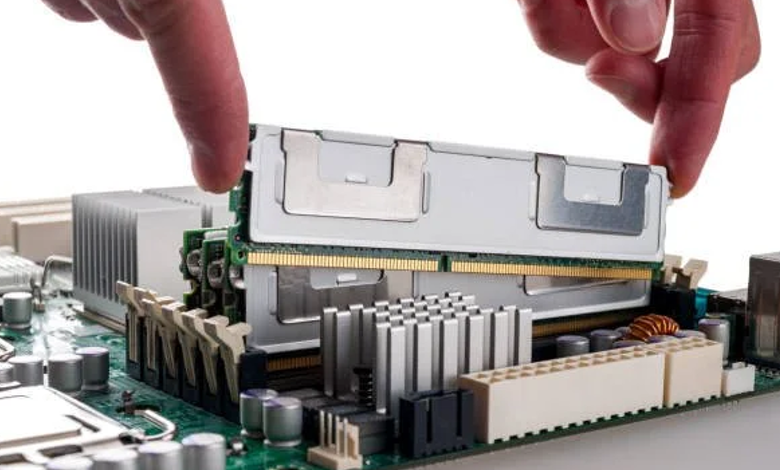
Managing business technology involves more than buying computers, servers, and memory modules. Companies also need to know where their equipment is, how it is being used, when it needs maintenance, and what should happen when it reaches the end of its useful life. IT Asset Management Solutions help businesses keep this information organized and make better decisions about their technology resources. Ram Exchange works with businesses that manage computing hardware, memory, and end-of-life IT assets, giving organizations access to both memory products and IT asset disposition services. A structured approach to asset management can reduce unnecessary spending, improve equipment visibility, support data security, and help businesses recover value from older hardware.
Better Visibility Into IT Equipment
Businesses can have hundreds or even thousands of technology assets spread across offices, server rooms, remote locations, and storage areas. Without proper tracking, it can be difficult to know what equipment is available or where it is being used.
An asset management system creates a central record for hardware such as:


- Desktop computers
- Laptops
- Servers
- Memory modules
- Networking equipment
- Storage devices
- Other IT components
This visibility helps IT teams track ownership, location, condition, purchase information, and lifecycle status. It also makes it easier to identify equipment that is unused or sitting in storage.
Lower Unnecessary Technology Spending
Poor asset tracking can lead to duplicate purchases. A company may order new hardware simply because employees cannot find an existing device or component that could be reused. IT Asset Management Solutions help teams understand what they already have before approving another purchase. Existing equipment can sometimes be reassigned, upgraded, or moved to another department. This can be especially useful for businesses managing large server environments. Instead of replacing an entire system, an organization may only need additional or replacement memory to meet current workload requirements.
Extend the Useful Life of Hardware
Technology does not always need to be replaced as soon as it becomes older. Some equipment can continue to support business operations after an upgrade or component replacement. For example, adding compatible memory can help a server or workstation handle increased workloads without requiring a complete hardware replacement. Businesses can also keep older systems operational when suitable legacy components remain available. Ram Exchange supplies new, used, and refurbished memory across different generations, including DDR2, DDR3, DDR4, and DDR5 modules. This range can be useful for organizations managing both older and newer hardware environments.
Easier Hardware Planning
Technology planning becomes harder when IT teams do not have reliable asset records. Managers may struggle to determine which devices need replacement, which components are approaching the end of their useful life, and what equipment should be purchased for upcoming projects. A structured asset management process provides useful information for planning. Teams can review the age, condition, usage, and history of their equipment before making decisions.
This can help with:
- Hardware replacement schedules
- Upgrade planning
- Budget preparation
- Maintenance planning
- Inventory management
- Data center refresh projects
Having this information in one place makes technology planning more organized and easier to manage.
Improved Security and Data Protection
Old IT equipment can create security concerns if it is not handled properly. Computers, servers, and storage devices may contain business information even after they are removed from active use. Asset management helps organizations keep track of equipment throughout its lifecycle. When devices are retired, the organization can follow a defined process for data destruction, recycling, redeployment, or resale. IT asset disposition, often called ITAD, can include certified data destruction, electronics recycling, remarketing, and asset redeployment. Ram Exchange provides ITAD services designed to help businesses manage end-of-life technology in a secure and responsible manner.
Recover Value From Retired Equipment
Old technology is not always worthless. Some hardware can be reused, resold, or recovered for components. A formal asset management process helps businesses identify equipment that still has market value. Instead of leaving surplus memory, servers, or other components in storage, companies can evaluate options for recovery.
Ram Exchange also works with businesses that have excess or obsolete electronic components. Its purchasing services include bulk memory and other computer components, giving organizations a way to recover value from equipment that is no longer needed internally.This can change the way companies view technology disposal. Retired equipment can become part of an asset recovery process rather than simply becoming a disposal expense.
Support Responsible IT Disposal
Electronic waste is another concern for businesses managing large technology inventories. Simply throwing away old equipment can create environmental and compliance problems. Asset management gives companies a structured way to determine what can be reused, remarketed, recycled, or safely disposed of. Working memory modules may be suitable for reuse, while damaged components can be directed toward responsible recycling processes. Ram Exchange combines memory expertise with ITAD services that include electronics recycling and asset recovery. This supports businesses that want to manage retired technology in a more organized way.
Make Audits and Reporting Easier
Accurate records can make internal reviews much simpler. IT teams can use asset information to answer basic questions about equipment ownership, location, condition, and lifecycle status. Good records can also support financial teams, security departments, and compliance staff. Instead of searching through spreadsheets, invoices, emails, or storage areas, employees can work from a consistent asset record.
Useful information may include:
- Asset identification numbers
- Purchase dates
- Assigned users or departments
- Current location
- Warranty details
- Maintenance history
- Current condition
- Retirement or disposal status
Clear documentation can reduce confusion and make reporting more consistent.
Help IT Teams Work More Efficiently
IT departments spend time dealing with missing equipment, replacement requests, outdated hardware, and inventory questions. Better asset tracking can reduce some of this administrative work. Employees can quickly identify available equipment and determine which assets need attention. IT teams can also plan upgrades around actual hardware conditions rather than relying on incomplete information.
For organizations that manage large amounts of memory hardware, keeping track of specifications is also useful. Different systems may require different memory types, capacities, and configurations. A clear inventory makes it easier to identify compatible components before placing an order. Ram Exchange supports businesses with memory requirements ranging from legacy technologies to current DDR4 and DDR5 products.
Connect Asset Management With Hardware Procurement
Asset management and hardware purchasing work better when they are connected. Before buying new equipment, businesses can review their existing inventory and determine whether an upgrade, reuse, or replacement makes more sense. This is particularly useful for computer memory products, where compatibility matters. Teams need to consider the system type, memory generation, capacity, and other technical specifications before purchasing. Ram Exchange offers memory modules from 1GB to 128GB across multiple generations and types, including ECC registered and fully buffered memory. This range reflects the different requirements businesses may have across workstations, servers, and data center environments.
What to Consider Before Choosing an Asset Management Process
A useful asset management process should match the size and needs of the organization. Before putting a system in place, businesses can consider:
- Asset visibility: Can the team quickly find accurate information about existing equipment?
- Lifecycle tracking: Does the process cover purchasing, deployment, maintenance, upgrades, and retirement?
- Security: Are retired devices handled through appropriate data protection procedures?
- Recovery: Can unused or obsolete equipment be identified for reuse or resale?
- Reporting: Can managers easily access information needed for budgets and audits?
- Hardware compatibility: Are technical specifications recorded clearly enough to support future purchases?
These areas help create a practical process that supports everyday IT work rather than adding unnecessary complexity.
See also: How Indian Businesses Can Build a Stronger Digital Presence
Why Asset Management Matters Over Time
Technology inventories change constantly. New systems are purchased, existing equipment is upgraded, employees receive replacement devices, and older hardware eventually reaches retirement. Without proper tracking, these changes can create gaps in inventory records and unnecessary costs. With a structured process, businesses can maintain better control over their technology resources from purchase through retirement. IT Asset Management Solutions can therefore support several areas at once, including cost control, hardware planning, security, reporting, equipment reuse, and responsible disposal. For businesses that manage significant amounts of computing hardware, combining asset tracking with reliable memory sourcing and ITAD services can make the entire equipment lifecycle easier to manage.
Final Thoughts
Good asset management is not only about knowing how many devices a company owns. It is about understanding what those assets are worth, how they are being used, when they should be upgraded, and what should happen when they are retired. A clear process can help businesses reduce avoidable purchases, extend useful hardware life, protect information, and recover value from surplus equipment. With the right records and lifecycle planning, technology assets can be managed more carefully from acquisition to final disposition. Contact us today to discuss your IT hardware, memory, asset recovery, or ITAD requirements and find a practical way to manage your technology assets.