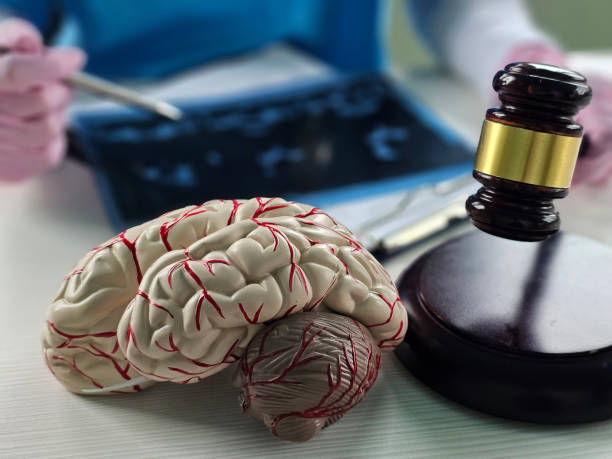
A traumatic brain injury can change a person’s health, work, relationships, and ability to manage everyday activities. Unlike many visible injuries, a brain injury may not always be immediately obvious after an accident. Symptoms can develop gradually and may involve memory, concentration, balance, mood, vision, or other aspects of neurological function. This can make both medical treatment and legal evaluation more complicated.
When a brain injury results from another person’s negligence, understanding your legal rights can be just as important as obtaining appropriate medical care. A brain injury attorney can help investigate how the injury occurred, evaluate available medical evidence, identify potentially responsible parties, and assess the financial impact of the injury. 5280 Injury Law identifies traumatic brain injury as one of its serious injury practice areas and represents clients throughout Colorado.
Why Are Traumatic Brain Injuries Different From Other Injuries?
Brain injuries can be difficult to evaluate because their effects can vary significantly from one person to another. The severity of a TBI cannot always be determined by looking at a person’s physical appearance or by whether they lost consciousness.


Symptoms May Not Always Appear Immediately
Possible symptoms of a traumatic brain injury include headaches, dizziness, fatigue, memory problems, difficulty concentrating, nausea, blurred vision, and changes in mood. The 5280 Injury Law brain injury page notes that symptoms may develop over time and that losing consciousness is not necessary for a person to have suffered a TBI.
This is one reason medical evaluation after a head injury is important. A healthcare professional can assess symptoms, recommend appropriate testing, and document the condition. Medical records can later become important evidence if a personal injury claim is pursued.
Brain Injuries Can Affect Multiple Areas of Life
A TBI may affect more than physical health. Cognitive difficulties can interfere with work, education, communication, decision-making, and daily responsibilities. Emotional or behavioral changes can also affect personal relationships and quality of life.
When evaluating a potential legal claim, these consequences may need to be considered alongside medical expenses. The full impact of a brain injury can extend beyond the initial treatment period, particularly when rehabilitation or long-term care is required.
What Accidents Can Cause a Traumatic Brain Injury?
Traumatic brain injuries can result from different types of accidents and incidents. Identifying how the injury occurred is important because the circumstances can determine which parties may potentially be responsible.
Motor Vehicle Accidents
Car, truck, motorcycle, bicycle, and pedestrian accidents can generate significant forces that affect the head and brain. A collision can cause the head to strike an object or create sudden movement that causes the brain to move within the skull.
The 5280 Injury Law website identifies motor vehicle accidents as a common context for TBI claims and states that its attorneys investigate crash reports and reconstruct accidents when appropriate.
Falls and Unsafe Conditions
Falls can result in head trauma and may lead to a TBI when a property owner or another responsible party failed to address a dangerous condition. Establishing responsibility may require examining the property, identifying the hazardous condition, and determining whether the responsible party knew or should have known about it.
Medical Negligence and Other Causes
Brain injuries can also arise in circumstances involving medical negligence, oxygen deprivation, or other forms of trauma. The applicable legal standards depend on the circumstances and the parties involved.
A thorough investigation is therefore important before determining whether a viable personal injury claim exists.
What Evidence Is Important in a Brain Injury Claim?
Strong documentation can be particularly important in TBI cases because some symptoms are difficult to observe and may develop over time. Evidence should establish not only that an accident occurred, but also how the injury developed and how it has affected the injured person.
Medical Records and Diagnostic Evidence
Medical records can document symptoms, diagnoses, treatment recommendations, medications, rehabilitation, and the progression of the injury. Diagnostic testing and evaluations from appropriate medical specialists may also provide evidence concerning the nature and severity of a TBI.
The firm’s brain injury practice page states that its attorneys work with neurologists, neuropsychologists, and rehabilitation specialists to understand brain injuries and evaluate long-term costs.
Accident and Liability Evidence
Evidence concerning the accident can help establish who was responsible. Depending on the circumstances, this may include police reports, photographs, witness statements, surveillance footage, accident reconstruction information, vehicle records, or other relevant documentation.
Preserving this evidence early can be important because information may become more difficult to obtain as time passes.
When Does a Brain Injury Claim Become Legally Complicated?
A TBI claim can become particularly complex when liability is disputed, symptoms are questioned, multiple parties are involved, or future medical needs are difficult to calculate.
Disputed Liability
A personal injury claim generally requires evidence showing that another party’s conduct caused or contributed to the injury. If the responsible party disputes fault, the claim may require a detailed review of the accident and supporting evidence.
Colorado’s modified comparative negligence rules can also make fault an important issue. According to 5280 Injury Law, a person who is less than 50% at fault may still recover damages, but the amount can be reduced based on their percentage of responsibility.
Questions About the Severity of the Injury
Because some TBI symptoms may not be visible, an insurance company may question the extent of an injury or its connection to an accident. Detailed medical documentation can help address these questions.
The longer-term effects of a TBI may also need to be evaluated rather than relying solely on the initial medical bills. This can require information about treatment, rehabilitation, employment, and future care.
What Compensation Can a Brain Injury Claim Include?
The potential value of a TBI claim depends on the specific circumstances, the severity of the injury, applicable law, and the evidence supporting the losses. Compensation can potentially involve several categories of damages.
Current and Future Medical Expenses
Medical costs can include emergency care, hospitalization, diagnostic testing, medication, rehabilitation, therapy, and other necessary treatment. When a brain injury requires continuing care, future medical expenses may also need to be considered.
Long-term costs can be particularly important in serious TBI claims because treatment and support may continue for years. 5280 Injury Law states that its attorneys work with medical professionals to calculate long-term costs associated with brain injuries.
Lost Income and Earning Capacity
A brain injury can prevent a person from working temporarily or permanently. Lost wages may therefore form part of a personal injury claim. In more serious cases, the injury may affect future earning capacity.
Employment records, wage documentation, medical opinions, and other evidence can help establish the financial impact of the injury.
Pain, Suffering, and Quality of Life
A TBI can affect physical comfort, cognitive functioning, emotional well-being, independence, and everyday activities. Depending on the applicable law and circumstances of the claim, non-economic damages may also be considered.
Evaluating these losses requires understanding how the injury affects the individual rather than looking only at medical expenses.
How Can a Brain Injury Lawyer Help?
A TBI case may require coordination between legal, medical, and financial evidence. An attorney can help organize these areas and develop a strategy based on the specific circumstances.
Investigating the Cause of the Injury
An attorney can investigate the accident and determine which parties may potentially be responsible. This may involve reviewing accident reports, medical documentation, photographs, witness evidence, and other records.
The purpose is to build a factual record that supports both liability and the connection between the accident and the resulting injury.
Working With Medical Specialists
Medical evidence is particularly important when symptoms are complex or long-term effects need to be evaluated. An attorney may work with appropriate medical professionals to understand the diagnosis, prognosis, treatment requirements, and potential future care.
A brain injury lawyer can use this information when evaluating damages and presenting the claim to an insurance company or opposing party. 5280 Injury Law specifically states that its team works with neurologists, neuropsychologists, and rehabilitation specialists in brain injury cases.
Negotiating or Litigating the Claim
Insurance companies may challenge liability, the severity of the injury, or the amount of compensation being requested. An attorney can communicate with insurers, present supporting evidence, and negotiate on behalf of the injured person.
If a fair settlement cannot be reached, litigation may become necessary. The firm’s website emphasizes its experience with complex injury claims and states that its attorneys are prepared to take cases to trial when necessary.
Why Is Early Legal Guidance Important?
Taking action promptly after a suspected brain injury can help preserve important evidence and ensure that medical documentation is established. Accident records, witness information, photographs, medical records, and other evidence can become more difficult to obtain as time passes.
Legal deadlines are another consideration. The specific deadline for a personal injury claim can depend on the circumstances and type of claim. Because missing an applicable filing deadline can affect the ability to pursue compensation, discussing the matter with a qualified Colorado attorney early can help clarify what deadlines may apply.
Early legal guidance does not mean rushing to settle a claim. It means understanding the legal process while evidence is available and the medical consequences of the injury are being documented.
What Should You Do After a Suspected TBI?
Medical attention should be a priority after a significant head injury. Follow the recommendations of your healthcare providers and maintain records of appointments, diagnoses, medications, treatment, and related expenses.
You should also preserve information about the incident. Depending on the circumstances, this may include photographs, accident reports, witness information, insurance communications, employment records, and documentation of expenses.
Avoid assuming that a lack of immediate symptoms means there is no brain injury. If symptoms develop after an accident, seek appropriate medical evaluation and ensure that the symptoms are documented.
How Can You Decide Whether Legal Representation Is Appropriate?
The decision to hire an attorney depends on the circumstances of the injury. A minor head injury that resolves quickly may involve different legal considerations from a TBI requiring extensive treatment, rehabilitation, or long-term support.
Legal representation can be particularly important when another party disputes responsibility, an insurance company questions the injury, medical treatment is extensive, or the injury affects employment and daily life.
5280 Injury Law states that it takes on a limited number of cases to provide personalized legal service and focused attention to clients. Its practice includes traumatic brain injuries and other serious personal injury matters throughout Colorado.
Conclusion
A traumatic brain injury can have consequences that extend far beyond the initial accident. Medical treatment, cognitive symptoms, emotional changes, lost income, rehabilitation, and future care needs can all contribute to the overall impact of a TBI.
Because these cases can involve complicated medical and legal questions, documenting the injury and understanding your rights early can be important. Evidence concerning the accident, medical condition, financial losses, and long-term effects may all play a role in determining whether compensation is available.
If you or a family member has suffered a traumatic brain injury because of another party’s negligence, you can Contact Us to discuss your circumstances with 5280 Injury Law and learn about the legal options that may be available.